 (682) 297 2200
What is a Reefer Truck And How You Can Protect Your Investment
What is a Reefer Truck?
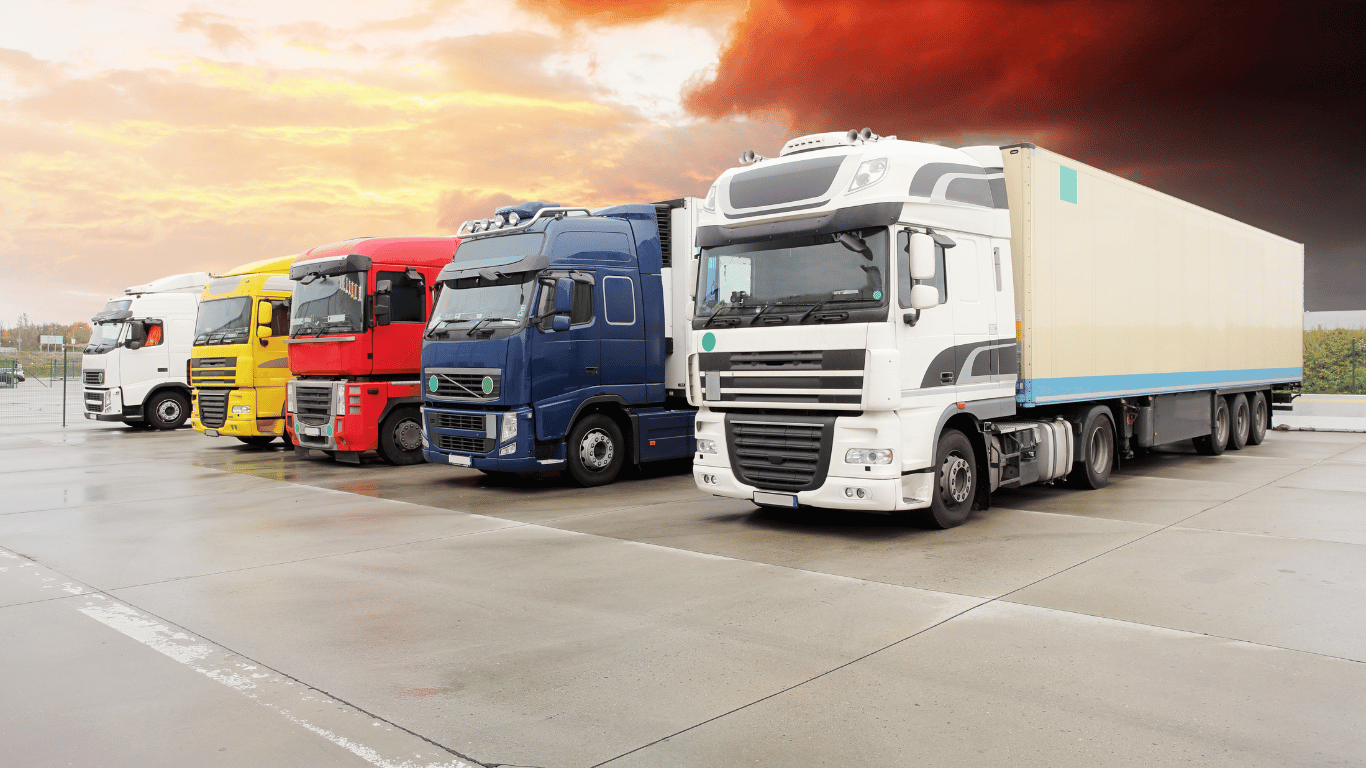
If you’re just getting into the business you may find yourself asking what is a reefer truck? A reefer truck is industry jargon for a semi-truck that hauls a refrigerated trailer rather than a standard trailer.
The term “Reefer truck” is understood throughout the industry by drivers, dispatchers, shipping companies, manufacturers, and retailers, helping everyone understand which type of truck is being discussed. Companies can ship perishable goods widely throughout the country with the help of refrigerated trucks aka “reefers”.
These refrigerated trailers operate much like a regular refrigerator that you would find in your kitchen. They are equipped with a cooling system that allows them to stay cold enough to transport temperature-controlled freight without spoilage, such as refrigerated and frozen foods. The stand-alone cooling system sets it apart from the smaller cooling trucks and vans that are simply well-insulated with proper ventilation.
The closed cooling unit keeps the trailer cold by either diesel-powered generators or cryogenic cooling systems. These systems remove the heat and cycle chilled air throughout the refrigerated trailer to keep the cargo at specific temperature requirements.
Each reefer truck has a reefer unit, an insulated box, an air chute, and an air suspension system. All of these components play a key role in making sure cargo is delivered safely.
How Does a Reefer Unit Work?
A reefer unit works similarly to your refrigerator at home by pushing refrigerant throughout the system. Most reefer units consist of three main parts that work in 3 phases: the compressor, the condenser, and the evaporator.
Compressor
. First, the compressor – which is the main component of the reefer unit – takes gaseous refrigerant and compresses it to create pressure. The compression process turns the refrigerant gas into a hot liquid before sending it to the next part of the unit, the condenser where the heat exchange process begins.
Condenser
. Next, the compressed, hot liquefied gas runs from the compressor through the condenser which contains tubes and fins outside the trailer. The condenser offers enough surface area to cool the refrigerant. The heat exchange process is further aided by a fan that pulls in cool air from outside. The liquid refrigerant begins to cool as the hot liquid runs through the system.
Evaporator
. Finally, as the cool refrigerant runs back into the trailer, it makes its way through the evaporator. The evaporator uses a metering valve to control the level of cooling in the trailer.
As the liquid refrigerant cools, it turns back into a gas and begins absorbing heat again from the system. Air is then pulled back into the system from the trailer, starting the process again.
The same air continuously cycles through the closed cooling unit, keeping the refrigerated trailer cooled to the specified temperature despite temperature fluctuations during loading and unloading.
What Are Reefer Trucks and Reefer Vans Used for?
Reefer trucks and reefer vans are designed to transport temperature-sensitive loads. Most reefers also can have temperatures monitored and maintained using specialized systems. While the first thing that is often associated with reefer vans and trucks is food, they are useful with a wide variety of products.
You can use reefer trucks and vans to ship:
Perishable Foods (fresh produce, frozen foods, meats, etc.)
Beverages (dairy, wine, beer, etc.)
Chewing Gum and Candies
Hazardous Materials (chemicals, solvents, flammable, acids, etc.)
Tobacco Products (cigars, cigarettes, etc.)
Paint
Flowers
Candles
Pharmaceuticals
Cosmetics